Basement mold removal cleans or removes mold on foundation walls, joists, subfloor and stored materials, then dries the space and addresses the moisture that fed it. National guides put a partial basement at about $1,500 to $6,000. Call the number on this page to be connected with a local mold company in Philadelphia.
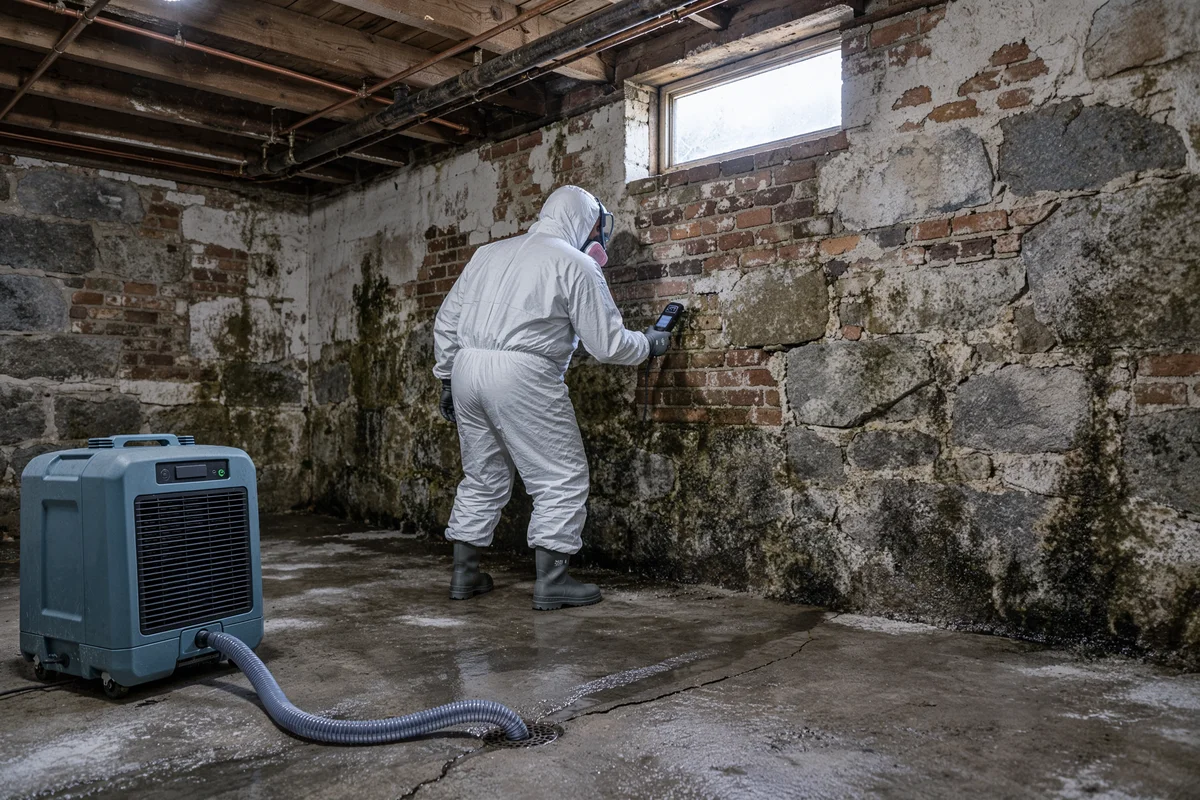
Why Philadelphia basements grow mold
Basements in Philadelphia rowhouses and twins are often brick or stone, with old mortar, seepage after heavy rain and sump pumps that run through storms. In warm months humid air hits cool walls and condenses. Furnaces, laundry and old cast-iron drain stacks add moisture. Block foundations in post-war suburbs and slab homes behave differently, but damp is the common thread. Read the rowhouse basement mold guide for causes and fixes.
What the work involves
A company contains the area, protects the rest of the house, removes mold-damaged drywall, insulation or stored material and cleans or abrades what can stay, such as framing and masonry. Drying and dehumidifying follow. EPA says to dry water-damaged areas within 24 to 48 hours and to keep indoor humidity below 60 percent, ideally 30 to 50 percent. Without a fix for the water entry, growth tends to return.
What it costs
A national cost guide lists about $1,500 to $6,000 for a partial basement and $6,000 to $15,000 for a full basement, and another national guide gives roughly $500 to $3,000. These are not Philadelphia prices, and a finished basement with carpet and drywall costs more than bare masonry. Waterproofing, drains or a sump pump are separate work. For a wider view, see mold remediation and storm and flood mold removal.
Pennsylvania checks before you hire
- The Pennsylvania Department of Health says there are no federal or Pennsylvania state regulations about mold, so no state mold license exists to verify.
- Ask for the Attorney General home improvement registration number (it must appear on contracts and ads; exempt work totals under $5,000 a year), a written contract for work over $500, and the 3-day right to cancel notice.
- In Philadelphia, ask about the City contractor license or its one- and two-family exemption, and whether L&I permits apply. Gypsum board over existing surfaces in those homes needs no permit.
Renters should tell the landlord first; if nothing happens, 311 takes reports to L&I. If you are across the river in New Jersey or in Delaware, the rules differ. A mold inspection can pin down where the water enters. Mold Remediation Philadelphia is a free referral service, not a mold company.
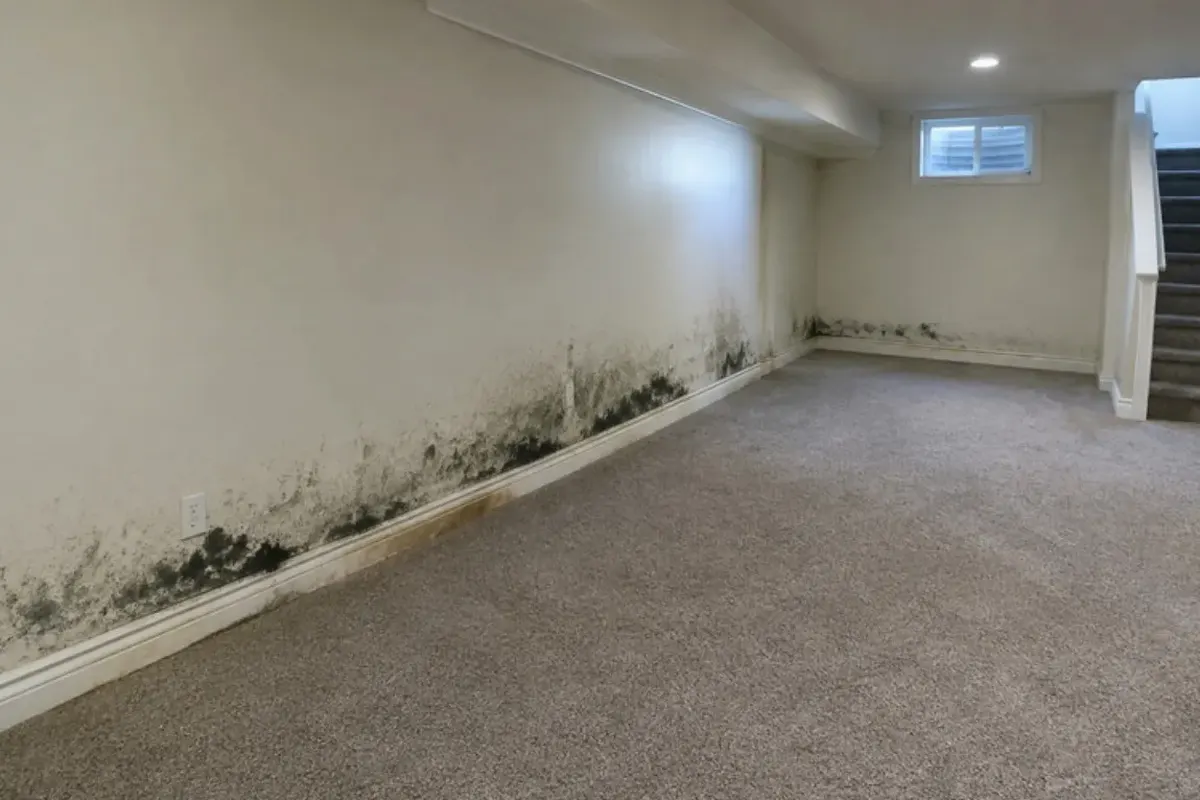
Basement Mold Removal questions from Philadelphia homeowners
How much does basement mold removal cost?
Will a dehumidifier fix basement mold?
Who is responsible if my rental basement has mold?
Do I need a permit for basement mold removal in Philadelphia?
Related mold services in Philadelphia
Helpful guides
Basement Mold Removal in nearby cities and towns
Bucks County
Montgomery County
Delaware County
Chester County
Camden County
Burlington County
Gloucester County
Mercer County
Hunterdon County
New Castle County
Sources
Last updated: