Because mold work in many basements has no single state license behind it, ask each company how it will contain the space and what happens about the water source. Call the number on this page to be connected with a local mold company in National Park.
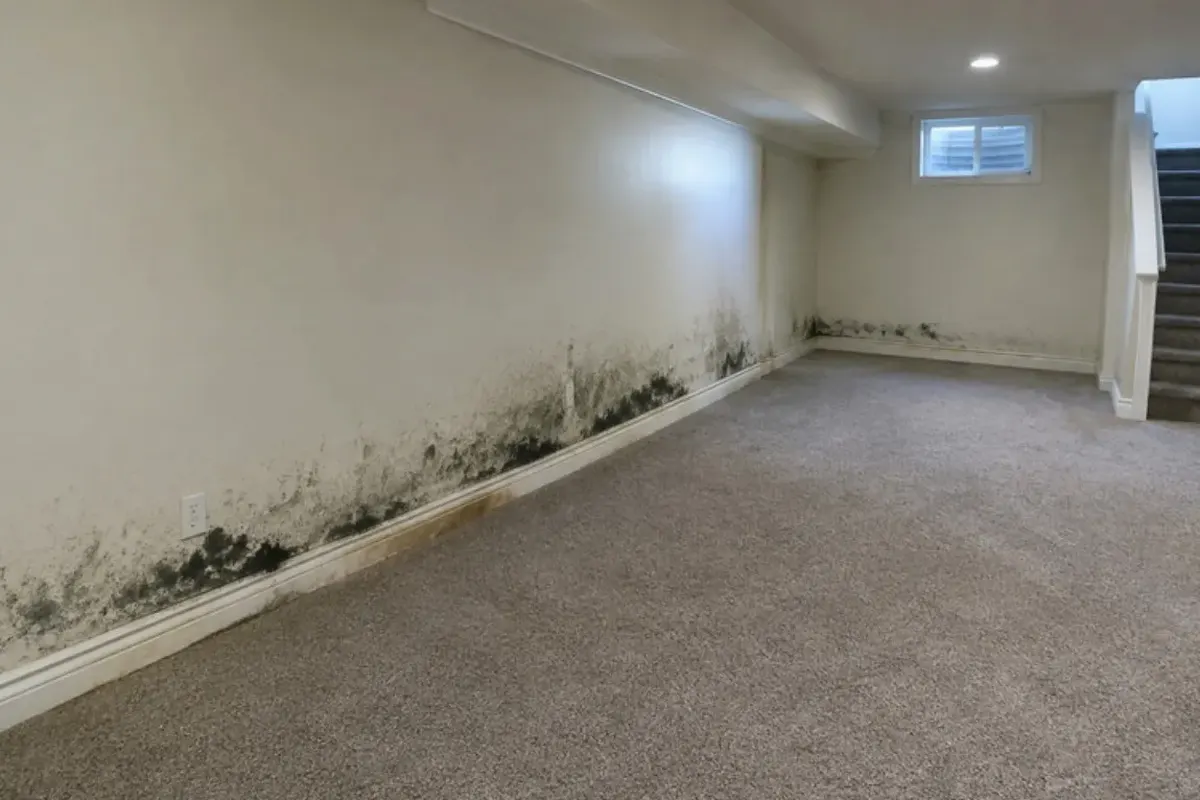
Signs Near the Mechanicals
The furnace room is worth a close look. Rust streaks on the boiler or air handler, a damp pad under the water heater, or white crust on the nearby wall suggest a slow leak or seepage that feeds mold in framing and boxes close by, often unnoticed for months.
Storms and Rising Groundwater
Heavy thunderstorms and remnants of tropical systems saturate the ground, and the water table climbs toward the floor. Creek-side and low-lying streets feel it first, but any foundation without good drainage can see seepage after several wet days in a row. Old walls and bare floors suffer most.
Low-lying blocks in National Park near a creek tend to have wet cellars in spring and after big storms, which makes a working sump and sealed walls especially valuable.
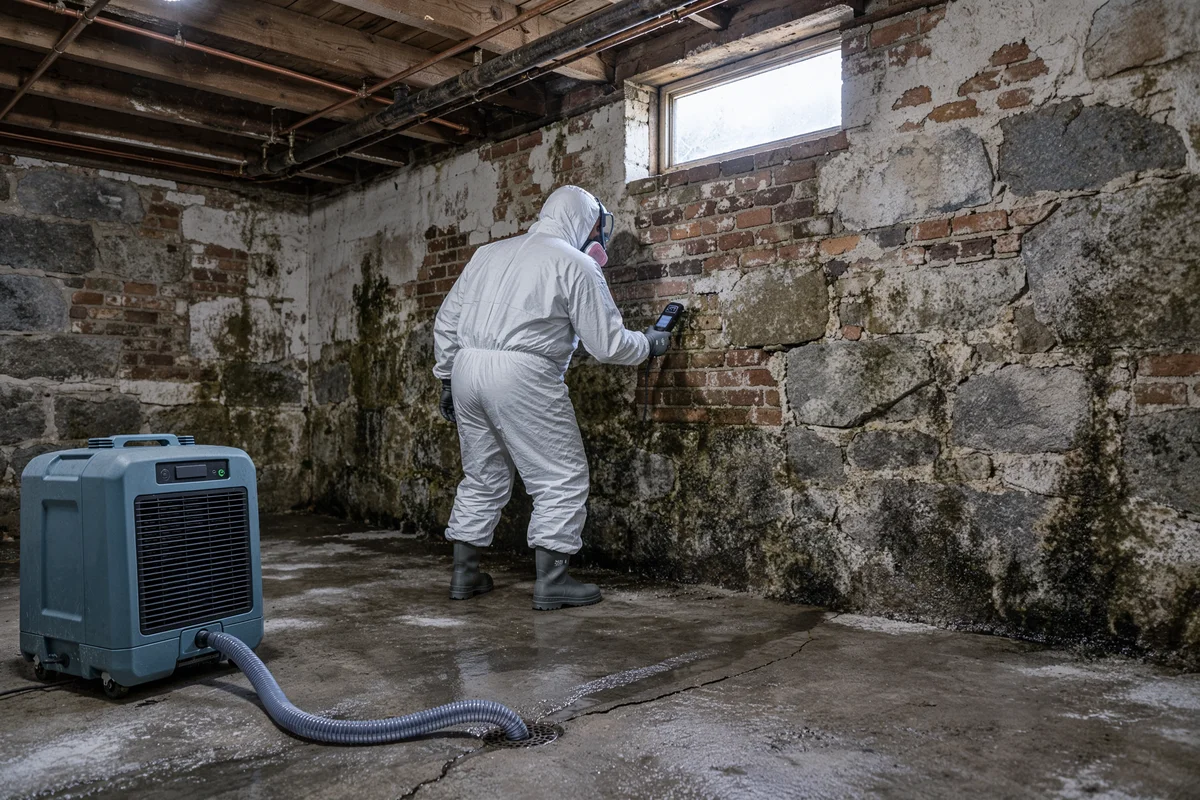
Access and Layout
A walk-out basement with a wide door is easier to work than a narrow rowhouse cellar with a steep, tight stair. Hauling debris and equipment up a twisty staircase takes time, and low ceilings or tight crawl corners slow demolition. Expect those details to shape labor in the quote.
Dehumidifying Afterward
Many owners keep a dehumidifier running through the damp months once the job is finished. EPA suggests keeping indoor humidity below about 60 percent, ideally 30 to 50. A hygrometer on a shelf shows whether the basement stays in range through summer storms and winter heat. Keep it somewhere you can see it.
The 24 to 48 Hour Window
EPA advises drying wet materials within about 24 to 48 hours. After a pump failure, backup or burst line, pull wet rugs, lift furniture off the floor and run fans while you arrange professional drying. Waiting turns a drying job into a removal job.
Local details for National Park
Contractors doing residential home improvement work in New Jersey must register each year with the Division of Consumer Affairs. Registration isn't a mold credential, but it's the state check that applies here.
Keep the inspection report, the scope of work and any clearance results together; buyers, landlords and insurers often ask for them later.
Check with the National Park Borough construction office before walls, cabinets or flooring go back in if the work goes beyond cleanup.
If river, creek or storm water got inside, FEMA's flood map service and your insurer can tell you how the address is zoned.
Nearby, the same kind of help is available in Woodbury, Thorofare and Westville.
Basement Mold Removal questions in National Park
How long does basement mold removal take in National Park?
Is mold after a sewer backup handled differently?
Do I need a permit to rebuild my finished basement?
Is a basement near a creek more likely to get mold?
More mold services in National Park
Basement Mold Removal nearby
Helpful guides
Sources
Last updated: