Post-remediation clearance testing is a check after mold work that looks at the area and, if called for, takes air or surface samples to confirm the cleanup met the plan. Pennsylvania does not require it, so it is your decision. Call the number on this page to be connected with a local mold company in Philadelphia.
What clearance testing is
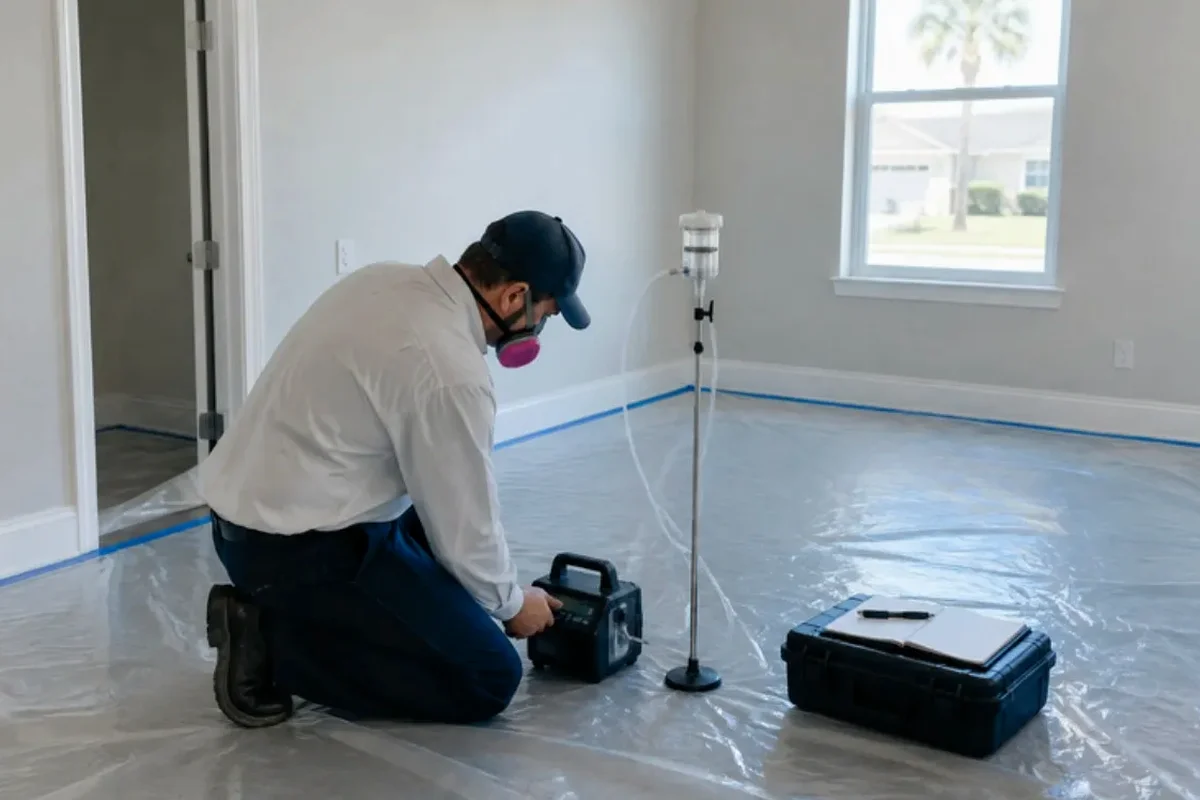
After remediation, an inspector looks at the work area for visible growth, dust and moisture, and may collect air or surface samples to compare with outdoor air or with the plan's goals. A clean visual check with dry materials is the basic test. EPA says sampling is usually unnecessary where mold is visible, so lab samples are one option rather than a requirement.
When it is worth doing
Clearance makes the most sense after a large job, after hidden growth in walls or ducts, in a home where someone has asthma or other health concerns (talk with your doctor), at a rental dispute, or before a sale or a reopening. In a Philadelphia rowhouse with a shared party wall, it can also settle whether a neighbor's leak left anything behind.
What happens on the day
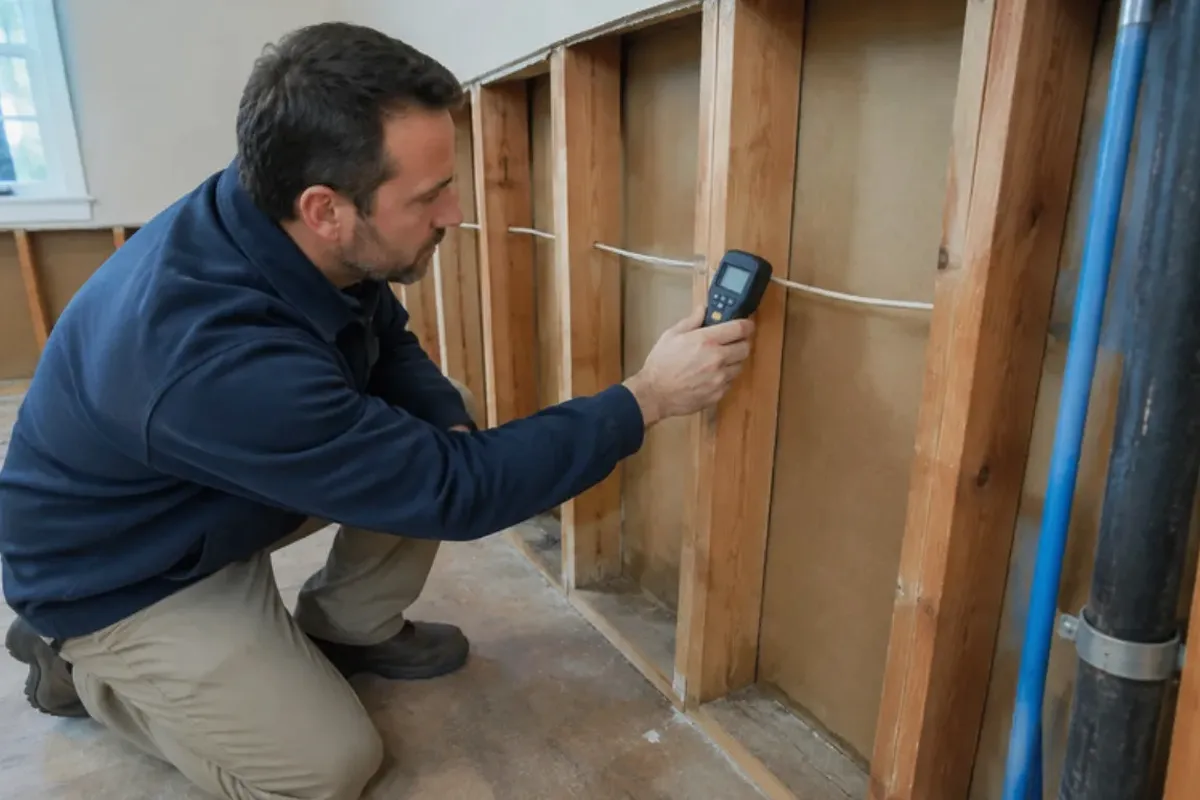
The inspector walks the containment area, checks that debris and dust are gone, and uses a moisture meter on framing and drywall. If samples are taken, they go to a lab and results usually follow in a few days. Keep the report with your remediation contract and any permit paperwork.
Who should do it
Ask for a different company than the one that did the cleanup. That keeps the check independent. Agree in writing before work starts what "clear" means: no visible mold, moisture readings in range, and any sample results compared against a stated baseline. Many owners keep the report for insurers, buyers or a landlord.
What it costs
National cost guides list about $250 to $500 per test visit for air and surface samples, and $250 to $350 for a basic air test. These are national figures, not Philadelphia quotes, and lab fees or extra samples can raise the total. See mold testing and mold remediation for the earlier steps.
Pennsylvania checks
The Pennsylvania Department of Health says there are no federal or Pennsylvania state regulations about mold, so there is no state clearance rule or mold license, and no state certificate is issued after a cleanup. Check that the company is registered with the Pennsylvania Attorney General as a home improvement contractor if it also does repair work. In the city, a Philadelphia contractor license applies to businesses outside the one- and two-family exemption. If you're across the river in New Jersey or in Delaware, the rules differ.
Post-Remediation Clearance Testing questions from Philadelphia homeowners
Is clearance testing required in Pennsylvania?
How much does clearance testing cost?
Should the remediation company test its own work?
What if the test fails?
Related mold services in Philadelphia
Helpful guides
Post-Remediation Clearance Testing in nearby cities and towns
Bucks County
Montgomery County
Delaware County
Chester County
Camden County
Burlington County
Gloucester County
Mercer County
Hunterdon County
New Castle County
Sources
Last updated: