A passing clearance is not a health guarantee or a number on a chart. The assessor looks for visible growth, leftover dust and damp materials, then compares post-job specimens with outdoor air or with the project's own criteria. If you have health concerns, talk with your doctor. Call the number on this page to be connected with a local mold company in Media.
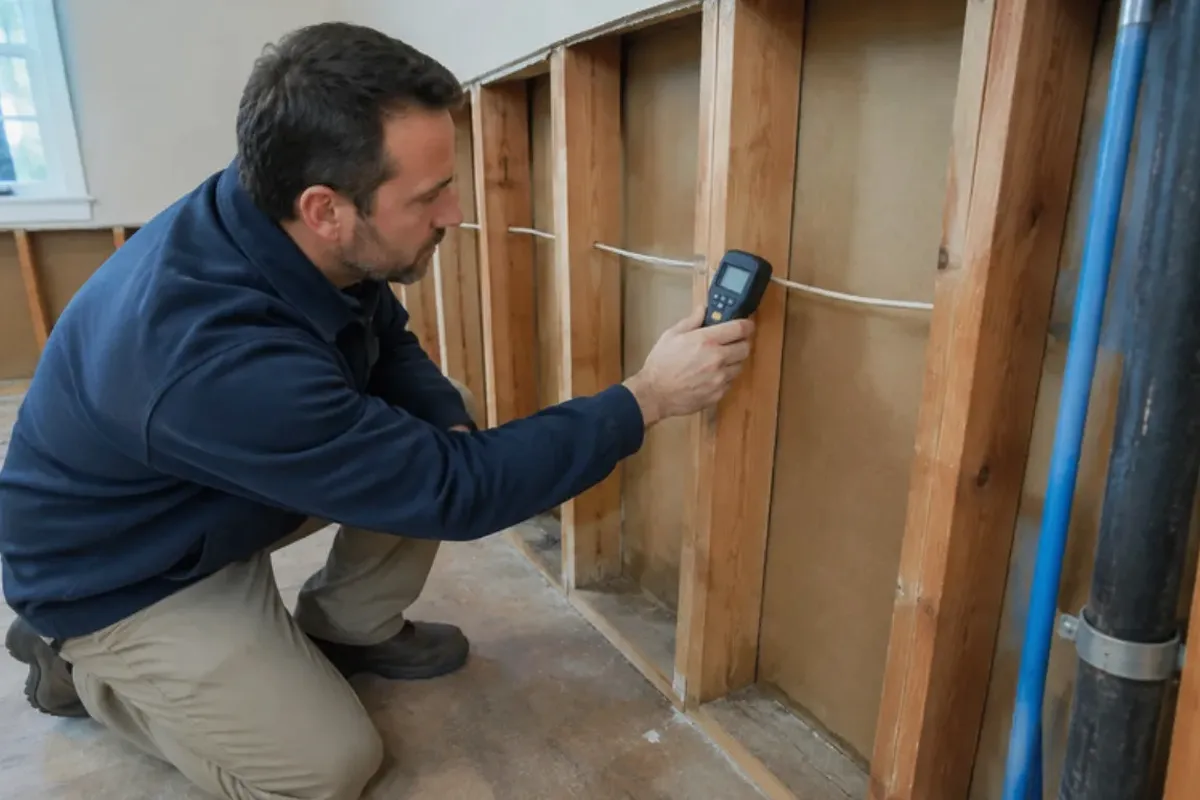
Clearance versus an inspection
An ordinary inspection asks whether a problem exists. Clearance asks whether the specific problem named in the plan was resolved. That narrower question is tied to the original findings and the cleanup scope, and it is usually quicker to answer than a full survey. Both have their place.
What gets checked
| Check | Looking for |
|---|---|
| Visual | Growth, dust, leftover debris |
| Moisture | Dry framing and substrate |
| Sampling | Counts close to outdoors |
All three are weighed together, because each covers a gap the others leave.
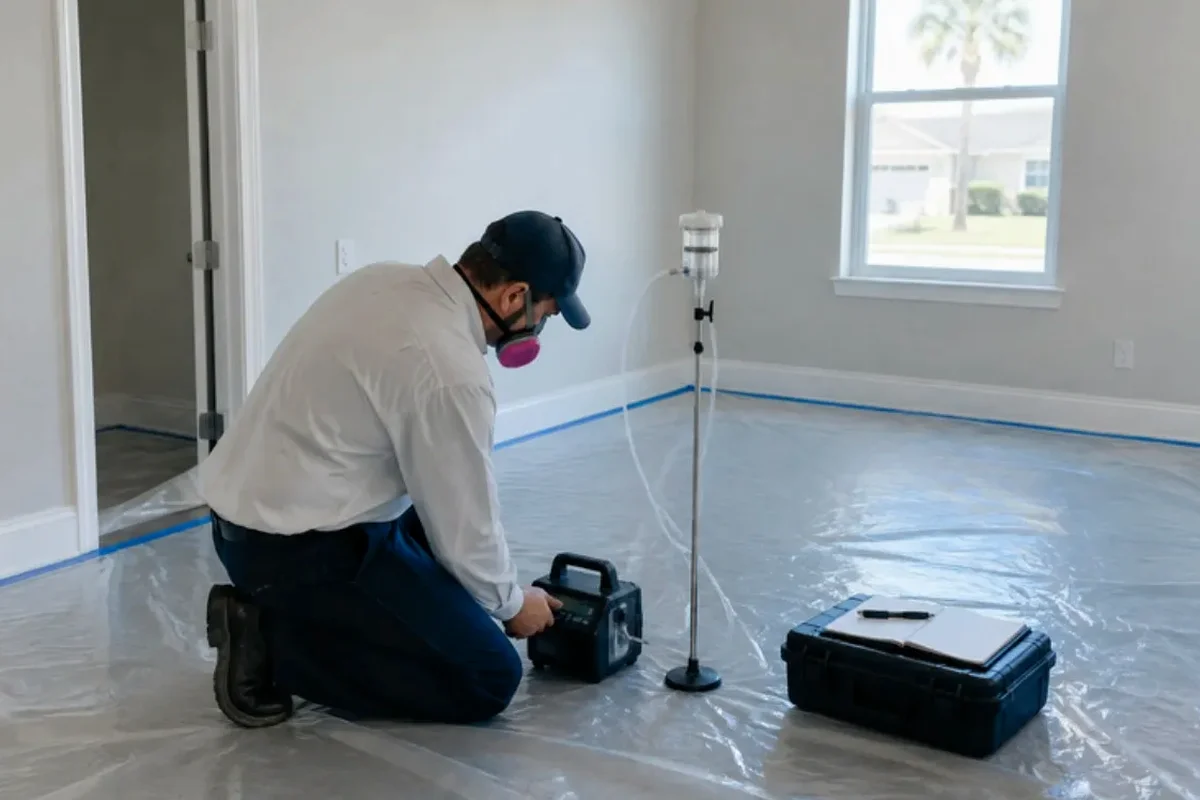
Return visits and what they add
A failed first look usually means the remediator redoes the flagged areas, often at its own cost under the contract, and the assessor returns for another visit. Ask in advance how a repeat visit is billed so a second pass does not catch you off guard. Written terms beat verbal assurances.
Local details for Media
Home improvement contractors working on Pennsylvania homes generally must register with the Attorney General's office, and the registration number (it starts with PA) has to appear on contracts, estimates and ads. The office's online search confirms it.
Keep the inspection report, the scope of work and any clearance results together; buyers, landlords and insurers often ask for them later.
Rebuild work after the mold comes out, such as new drywall or framing, may need a permit; the township or borough building office for your address is where to ask for Media addresses.
Water that came in from outside raises insurance questions; FEMA's flood map search shows whether the property sits in a mapped flood zone.
Nearby, the same kind of help is available in Chester Heights, Wallingford and Newtown Square.
Paperwork after a pass
Because there is no state form for mold projects in Pennsylvania or New Jersey, the clearance report itself is the document that counts. Store it with the original plan, the remediator's invoice and your insurance file so it is easy to find at a sale. Buyers' agents often ask for it first.
Keeping the result
After a pass, keep indoor humidity below about 60 percent, ideally 30 to 50, and look over plumbing, the roof and gutters regularly. Muggy summers and cold-weather condensation both test a house here. Quick attention to any new stain preserves the work you paid for. A hygrometer makes the habit easy.
Post-Remediation Clearance Testing questions in Media
When is clearance scheduled?
What happens during the visit?
Can the assessor who wrote the plan do the final check?
What records should I keep afterward?
More mold services in Media
Post-Remediation Clearance Testing nearby
Helpful guides
Sources
Last updated: