Spraying bleach or painting over a stain does not fix mold, and EPA does not generally recommend biocides for routine cleanup. Removing the growth and the dampness is what counts. Call the number on this page to be connected with a local mold company in Bristol.
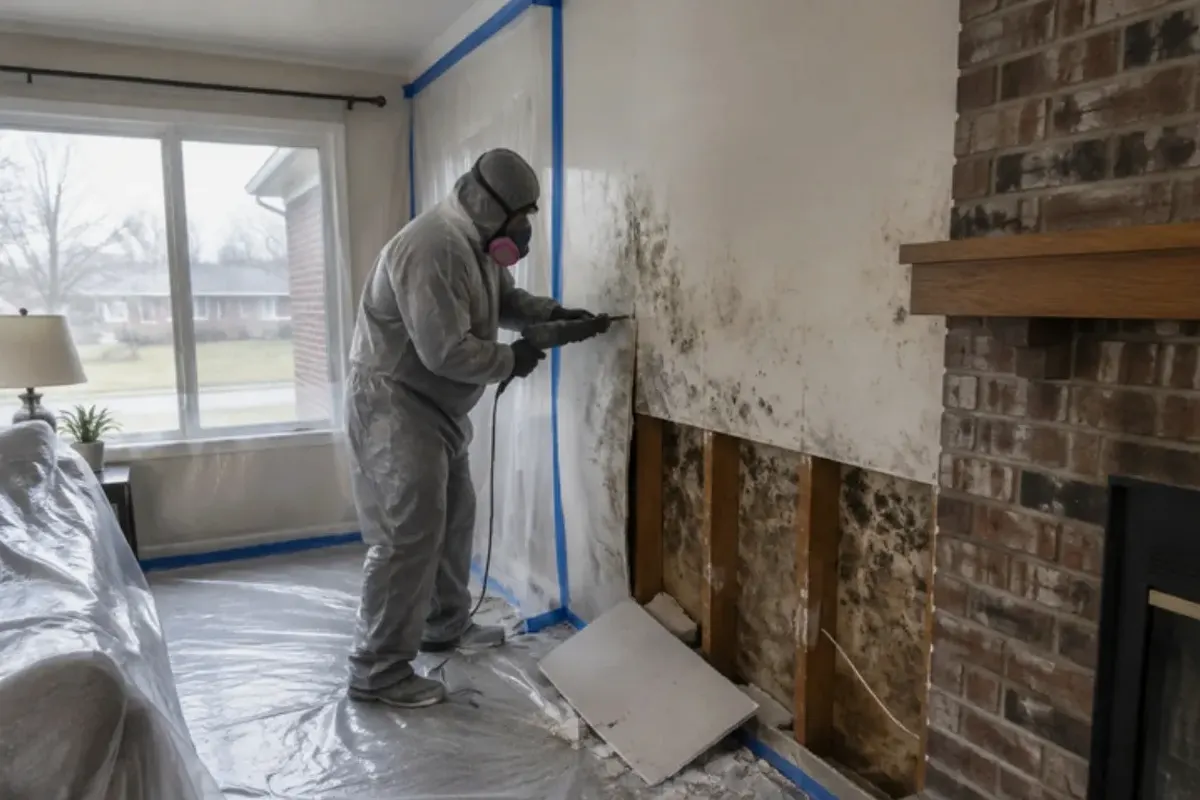
Questions to ask yourself
- Is the affected area larger than a few handprints?
- Did the material stay wet for more than two days?
- Has the stain returned after cleaning?
- Is the smell stronger than last month?
Two or more yeses point toward professional removal. If you answered yes to any of these, it is worth a conversation with a company.
Basements that never quite dry
Fieldstone and block foundations sweat in humid months and seep after heavy rain. A finished basement with drywall against the wall, carpet on a slab or stored cardboard gives mold plenty to eat, and removal often reaches those materials first. Ask the company to check how far the dampness reaches.
Homes near the Delaware, the Schuylkill or a local creek sit on lower ground with a higher water table, so companies pay extra attention to basement walls, garages and floor edges.
Permits and license checks in Bristol
Home improvement contractors working on Pennsylvania homes generally must register with the Attorney General's office, and the registration number (it starts with PA) has to appear on contracts, estimates and ads. The office's online search confirms it.
Keep the inspection report, the scope of work and any clearance results together; buyers, landlords and insurers often ask for them later.
Remediation itself is cleanup, but putting the room back together can be permitted work; ask the contractor whether the township or borough building office for your address needs to be involved.
Water that came in from outside raises insurance questions; FEMA's flood map search shows whether the property sits in a mapped flood zone.
Companies that take calls here usually also work in Burlington, Croydon and Florence.
Removal versus rebuild
Many remediation quotes cover only tearing out and cleaning. New drywall, paint, flooring and trim may be a separate line or a separate contractor. Ask whether the figure ends when the area is clean or when the room looks finished again. Get that distinction in writing before anyone starts work.
Typical sequence of a job
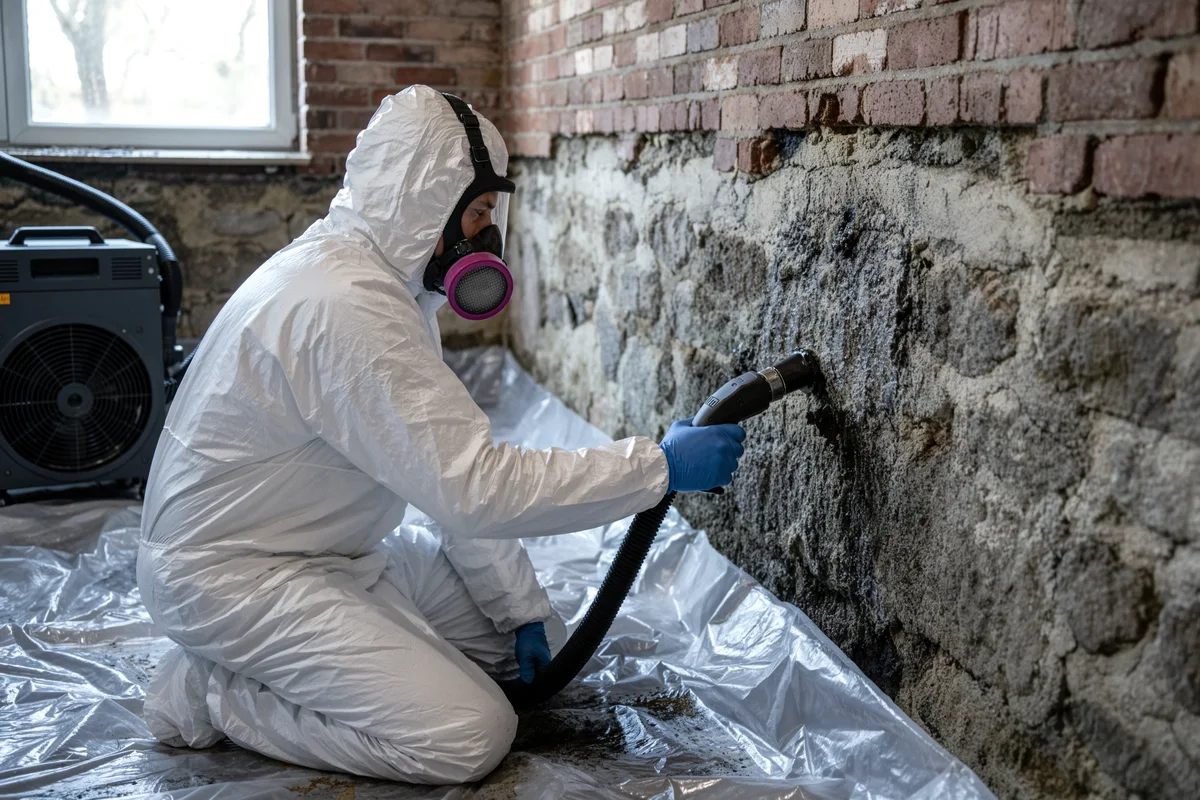
- Walk-through and written plan
- Containment of the work area
- Removal of damaged materials
- HEPA vacuuming and cleaning
- Drying and dehumidifying
- Final check
Skipped steps are a red flag.
Ask who signs off on each stage and how the area is checked before walls close.
Longer-term habits
Grade soil away from the foundation, service the dehumidifier and clear window wells. Watch for new stains, especially after storms. Mold is fastest to deal with the first time you notice it, so photos with dates help later. Revisit the same spot monthly during humid months.
Mold Remediation questions in Bristol
Does bleach kill mold?
Who does the clearance check?
What is the building office's role in Bristol?
Does living near a river or creek raise the risk?
More mold services in Bristol
Mold Remediation nearby
Helpful guides
Sources
Last updated: