Fix whatever let the water in, whether that was a window well, a cracked wall or a pump. Without that, drying and cleaning only buy time before the next heavy rain. Call the number on this page to be connected with a local mold company in Dublin.
Signs in rowhouse and twin basements
In older brick and stone basements, look for white mineral crust on walls, damp stains that wick upward, a sour odor and peeling paint. Water pushes through mortar joints, so the wall may stay wet even after the floor drains. Tap the lower wall and listen for a dull sound.
Snowmelt and ice
A heavy winter snowpack that melts fast over frozen ground has nowhere to go but toward the house. Gutters and downspouts clogged with ice add to it. Spring thaw is when many basements first show seepage and the damp odor that goes with it. This is when many first-time leaks show up.
Permits and license checks in Dublin
Home improvement contractors working on Pennsylvania homes generally must register with the Attorney General's office, and the registration number (it starts with PA) has to appear on contracts, estimates and ads. The office's online search confirms it.
Keep the inspection report, the scope of work and any clearance results together; buyers, landlords and insurers often ask for them later.
Remediation itself is cleanup, but putting the room back together can be permitted work; ask the contractor whether the township or borough building office for your address needs to be involved.
Water that came in from outside raises insurance questions; FEMA's flood map search shows whether the property sits in a mapped flood zone.
Companies that take calls here usually also work in Perkasie, Fountainville and Silverdale.
Access and layout
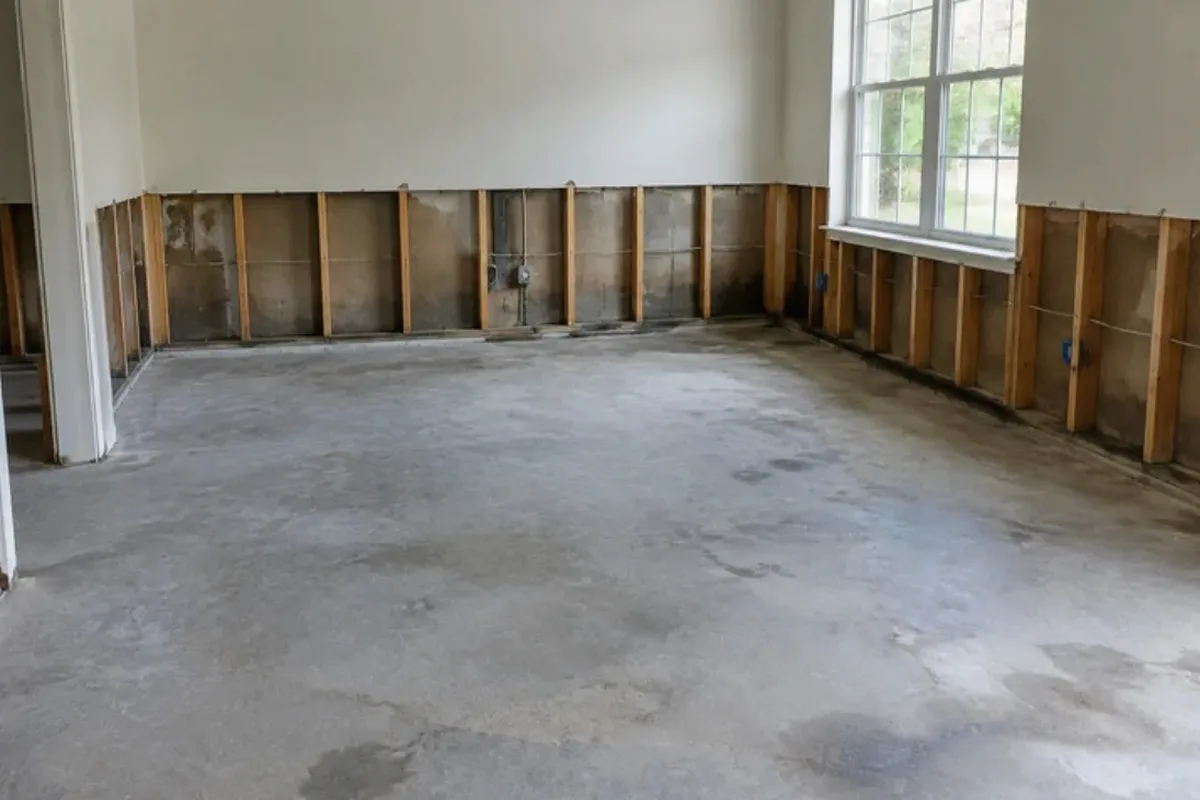
A walkout basement with open framing is easier to dry than a finished lower level with plaster, paneling and a drop ceiling. Tight stairs, low ceilings and hard-to-reach corners add labor and time on site. Ask the company what it will need to reach.
Equipment you may see
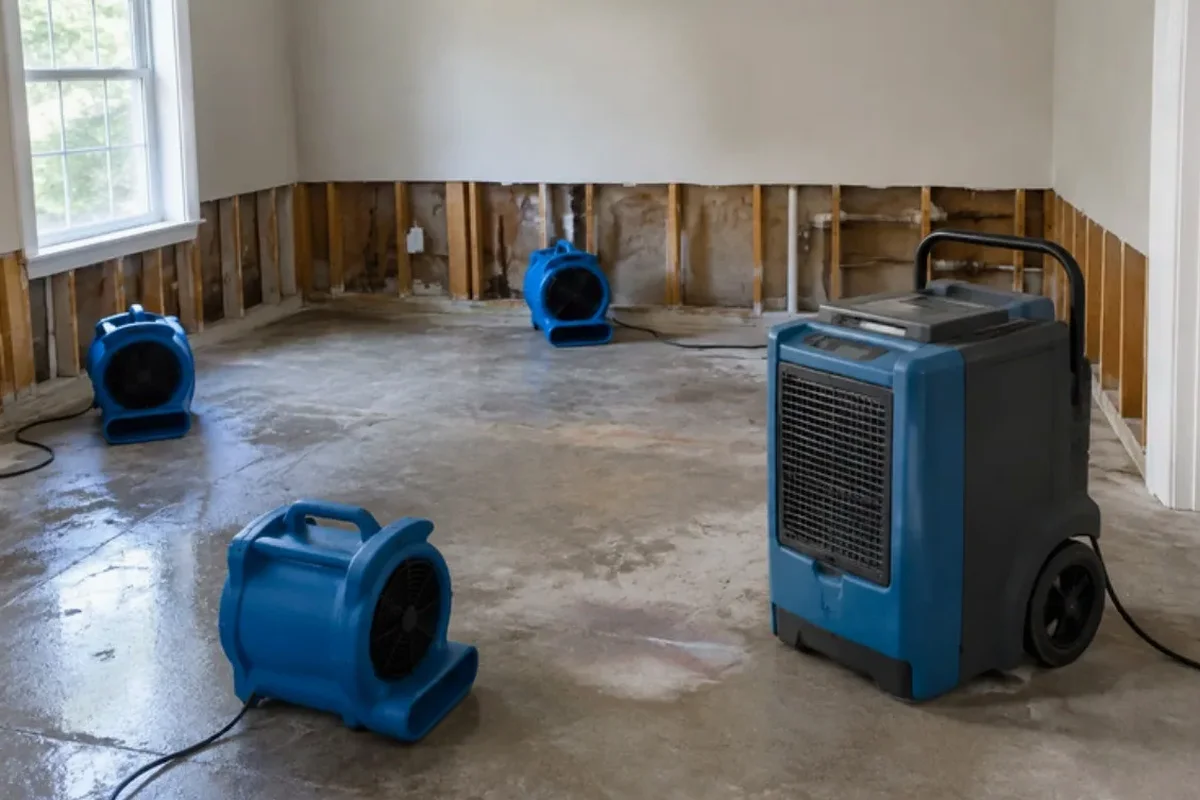
Expect pumps, wet vacuums, large air movers and dehumidifiers, and sometimes air scrubbers with filtered exhaust. Equipment runs for several days, and moisture readings are taken again to prove the structure is drying before any rebuilding starts. Ask what they will photograph.
Keep humidity down
EPA suggests indoor humidity below about 60 percent, ideally 30 to 50. A basic hygrometer tells you where the basement stands. After a flood, running a dehumidifier for a week or more confirms that the space is actually drying. Check the reading again after a few days.
Storm & Flood Mold Removal questions in Dublin
Does homeowners insurance cover flood mold?
Is sewer backup water handled differently?
My sump pump failed. What now?
Is bleach good for flood mold?
More mold services in Dublin
Storm & Flood Mold Removal nearby
Helpful guides
Sources
Last updated: