Most of an inspection is about the water, not the mold. Finding the leak, sweating duct or damp foundation wall decides whether a later cleanup actually lasts. Call the number on this page to be connected with a local mold company in Burlington.
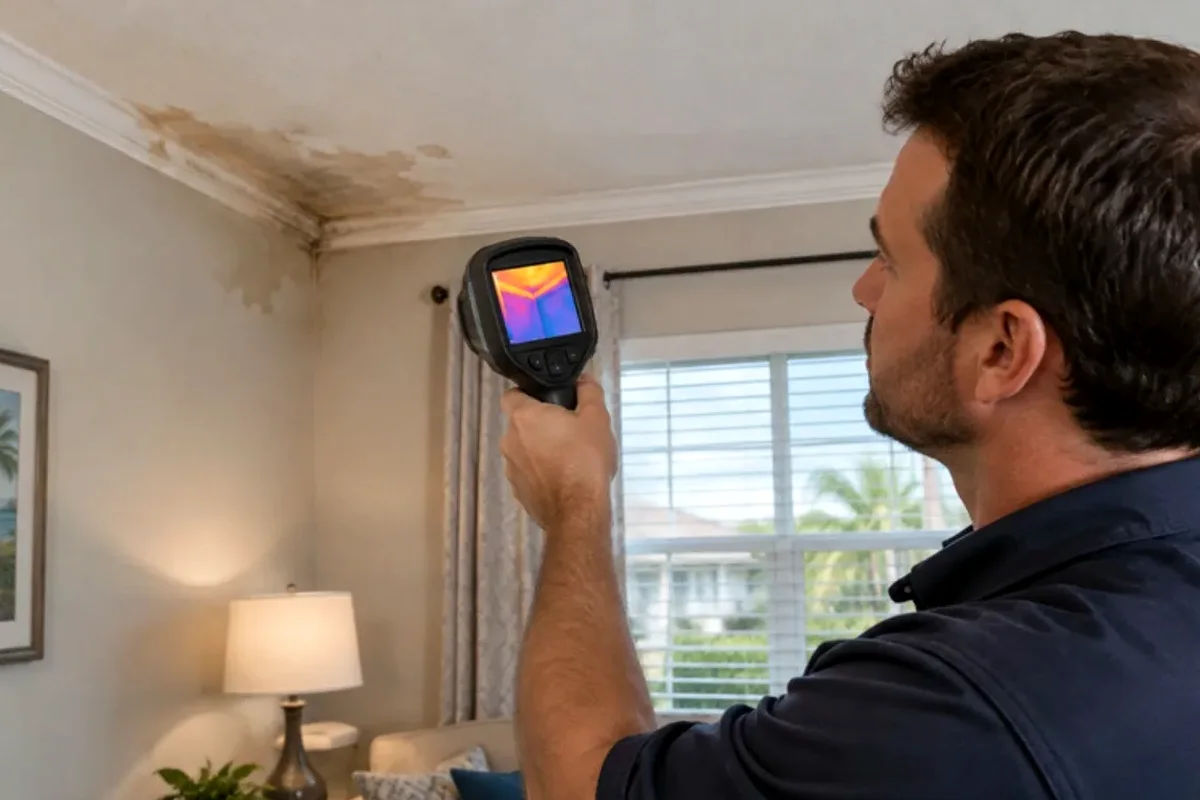
After a leak or storm
EPA advises drying wet materials within 24 to 48 hours. If that window passed, or you cannot tell whether the wall behind a stain is still damp, an inspection with moisture meters shows what remains wet before mold has a chance to settle in. Ask for readings rather than opinions when the time comes.
Winter problems
When the heat runs, warm indoor air condenses on cold windows, exterior walls and attic roof sheathing. Frost in an attic or dark rafters often means moisture is escaping upward. Assessors use cameras and meters to see where it collects. Cold snaps make this easy to spot on a dark morning.
Close to the water, saturated soil and rising levels can soak lower walls, and readings at the base of those walls are a regular part of the visit.
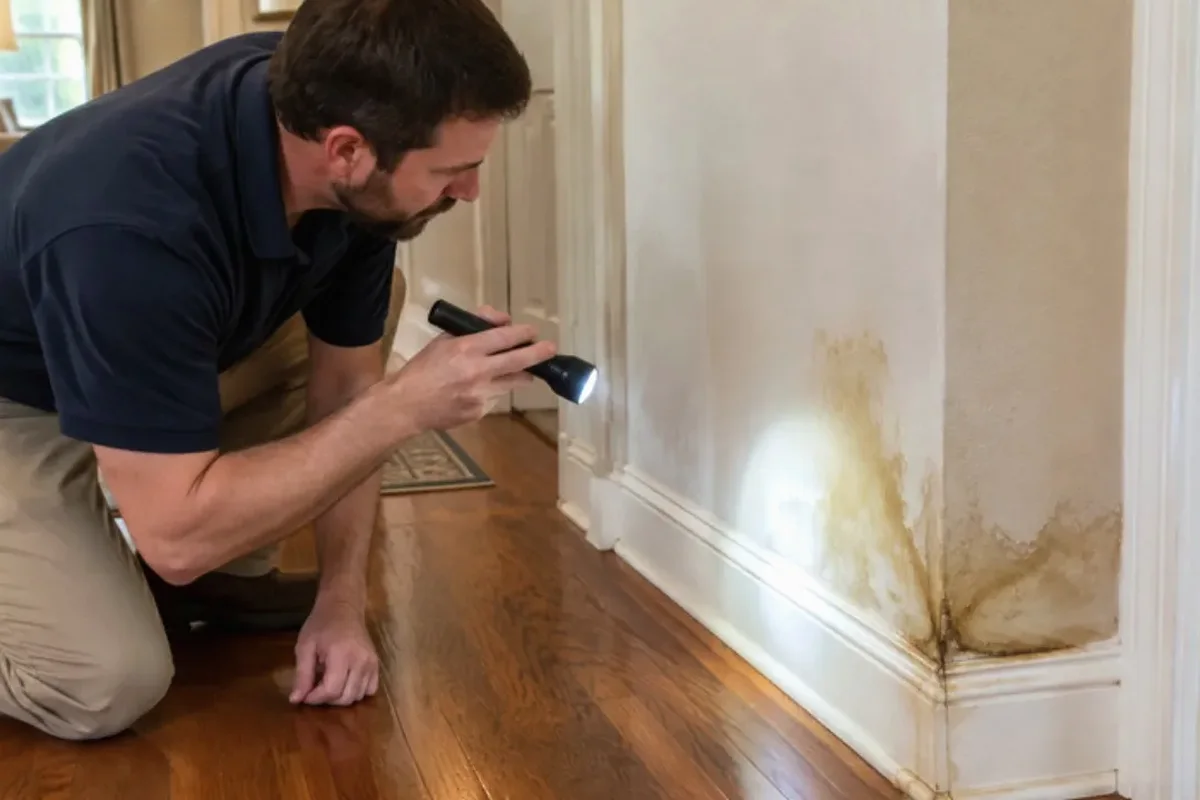
Independence has value
An assessor who does not do removal has no reason to inflate the scope. Some companies offer both services, which is fine if the report stands on its own. Ask how the inspection is kept separate from any removal estimate. Expect to explain your goals, whether that is buying, selling or repairing.
What the report should say
Look for a list of rooms and materials checked, moisture readings, photos, the likely water source and recommended next steps. If growth was found, it should name the affected areas so a remediation company can price the work from the same facts. Photos with arrows and labels make later quotes much easier.
Humidity targets
EPA recommends keeping indoor humidity below about 60 percent, ideally between 30 and 50. An inexpensive hygrometer shows where a basement or bedroom sits. Use a dehumidifier where readings stay high and run exhaust fans when showering or cooking. Keep a simple log of readings so you can spot trends over a season.
Useful local contacts for Burlington
New Jersey doesn't certify mold companies, so ask about training, containment and clearance plans, and confirm the contractor's Division of Consumer Affairs registration before signing.
Ask whether the company that removes the mold will also test its own work. Many owners prefer an independent assessor for clearance.
Remediation itself is cleanup, but putting the room back together can be permitted work; ask the contractor whether the municipal construction office for your address needs to be involved.
Water that came in from outside raises insurance questions; FEMA's flood map search shows whether the property sits in a mapped flood zone.
Nearby, the same kind of help is available in Bristol, Croydon and Beverly.
Mold Inspection questions in Burlington
Can an inspection find mold inside walls?
Should the assessor also do the removal?
Will the report say my home is safe?
Where do I get building questions answered in Burlington?
More mold services in Burlington
Mold Inspection nearby
Helpful guides
Sources
Last updated: