Carpet and pad that sat in flood water for more than a day or two are usually removed rather than saved. Hard flooring and framing can often be dried and cleaned. Call the number on this page to be connected with a local mold company in Skippack.
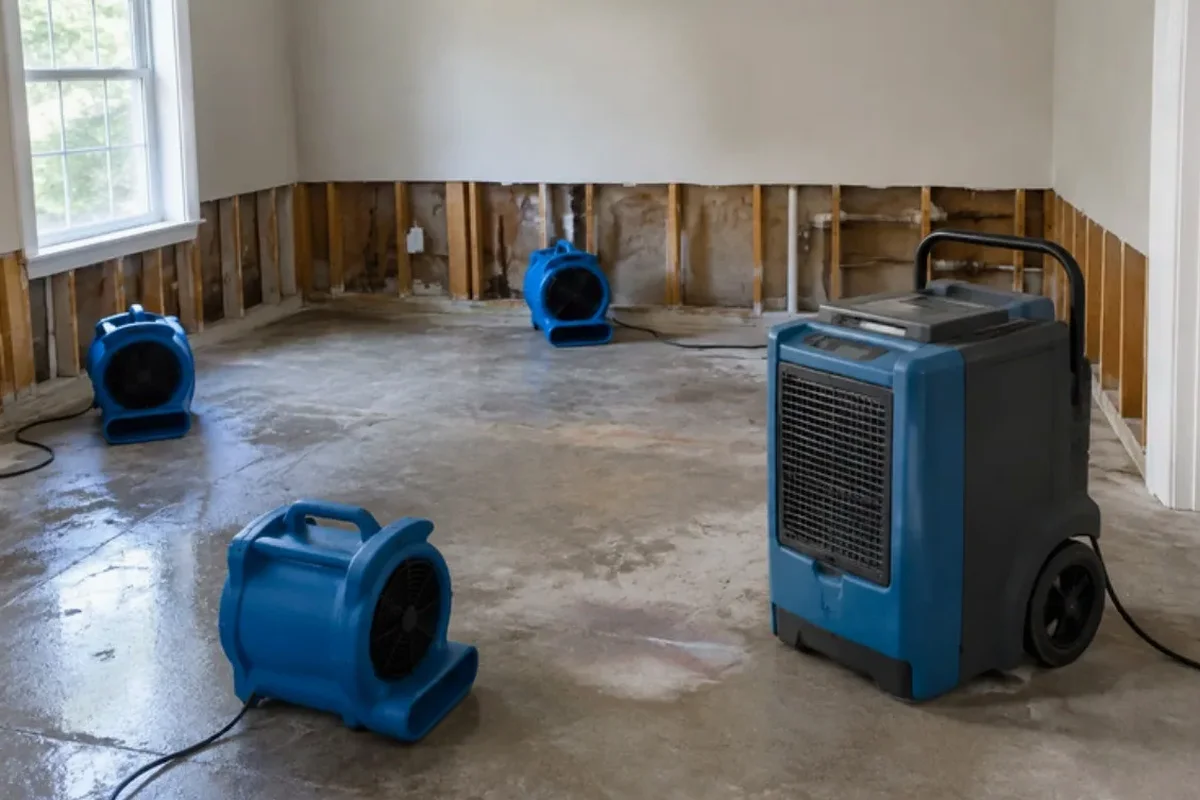
What to check in the first days
- Baseboards and the bottom of drywall
- Carpet pad and its backing
- Insulation in lower wall cavities
- Stored boxes and furniture legs
- Corners behind appliances
Anything still damp after two days is a candidate for removal. Check each one with a flashlight.
Remnants of tropical storms
Late-summer systems that move up the coast can bring steady rain for a day or more. Soil fills, creeks rise and basements that stay dry in a normal storm start to seep through floors and foundation walls. Steady rain matters as much as one big downpour.
Farmhouses and older country homes often have fieldstone cellars where water enters through walls. After a storm, damp earthy odors are a sign that moisture is still present.
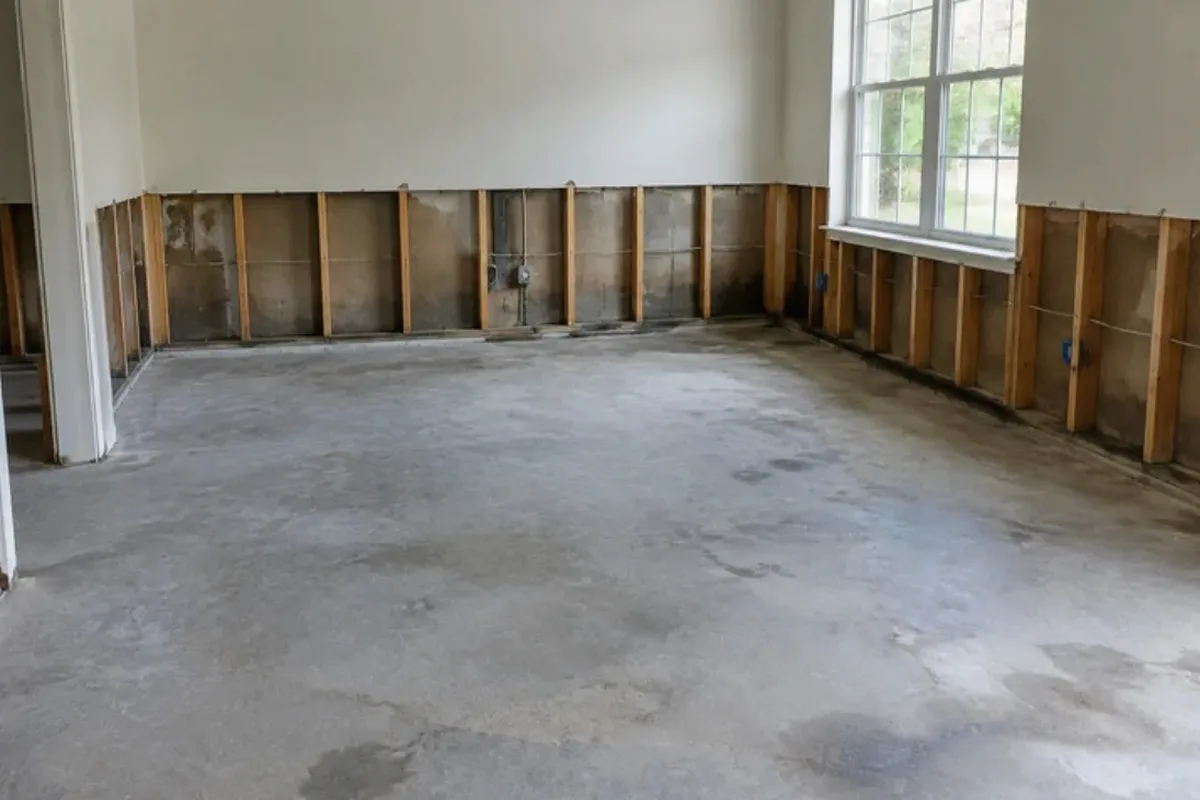
Rebuild is a separate step
Mold companies often stop once the space is clean and dry. New drywall, paint, flooring and trim usually come from a contractor. Ask whether the quote covers rebuild so you are not surprised when cleanup ends and the walls are still open. Ask what the policy actually lists.
Who handles what in Skippack
In Pennsylvania, home improvement work over $500 needs a written contract signed by both sides, with the price, the start and finish dates and the scope of work, and it must include a notice of your three-day right to cancel.
Some owners hire one independent company for the inspection and clearance check and a different company for the cleanup, so the business judging the result isn't the one that did the work.
Remediation itself is cleanup, but putting the room back together can be permitted work; ask the contractor whether the Skippack Township building office needs to be involved.
For flood zone questions after a heavy rain, FEMA's flood maps and your insurance agent can confirm the mapped zone for an address.
Nearby, the same kind of help is available in Harleysville, Schwenksville and Collegeville.
Your part in the process
Be ready to move belongings, shut off the HVAC system for the work area and keep children and pets away. In rowhouses and twins, mention the work to neighbors, since noise and equipment may carry through the shared wall. Ask who decides when the space is clear.
Keep humidity down
EPA suggests indoor humidity below about 60 percent, ideally 30 to 50. A basic hygrometer tells you where the basement stands. After a flood, running a dehumidifier for a week or more confirms that the space is actually drying. Check the reading again after a few days.
Storm & Flood Mold Removal questions in Skippack
What should I throw away after basement flooding?
My sump pump failed. What now?
How soon should I call after the water is gone?
Will mold come back after cleanup?
More mold services in Skippack
Storm & Flood Mold Removal nearby
Helpful guides
Sources
Last updated: