A mold inspection is a walk-through by an assessor who looks for visible growth, checks building materials with moisture instruments and writes down what was found and why. It is mostly looking and measuring. Call the number on this page to be connected with a local mold company in Merion Station.
Rental concerns
Tenants who notice stains or odor often wonder whether it is mold and who must act. A written inspection with photos and moisture readings gives a landlord, property manager or tenant something concrete to rely on, rather than an argument over what a stain really is. Written findings settle arguments that a stain alone never can.
Mechanical equipment
Furnaces, central air and old boilers produce water or leak slowly. Condensate lines clog, ducts sweat in basements and attics, and radiator valves weep. Checking the equipment and nearby finishes is a regular part of a thorough visit. Look for rust and stains near these connections as a quick clue.
Useful local contacts for Merion Station
The state sets no mold-specific license, so experience and paperwork matter more: ask which training the crew has, how containment will be set up, and for the company's Attorney General registration number.
Ask whether the company that removes the mold will also test its own work. Many owners prefer an independent assessor for clearance.
If the job grows into replacing drywall, cabinets or framing, ask whether the rebuild needs a permit from the Lower Merion Township building office.
Water that came in from outside raises insurance questions; FEMA's flood map search shows whether the property sits in a mapped flood zone.
Nearby, the same kind of help is available in Upper Darby, Bala Cynwyd and Wynnewood.
Insurance questions
Mold coverage varies by policy and often depends on the source of the water. A documented inspection helps when you talk with an adjuster. Read your policy first, and ask your insurer what they need before you hire anyone. Call your insurer before the visit, not after it.
What happens during the visit
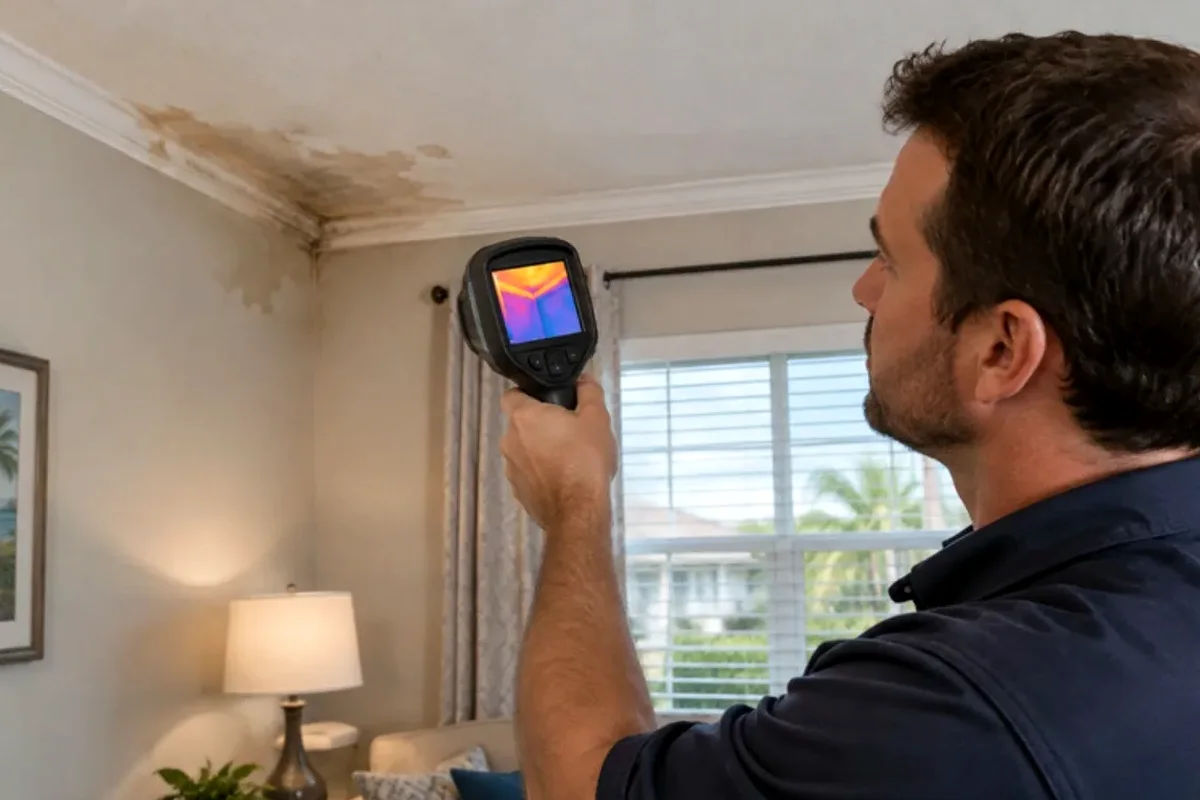
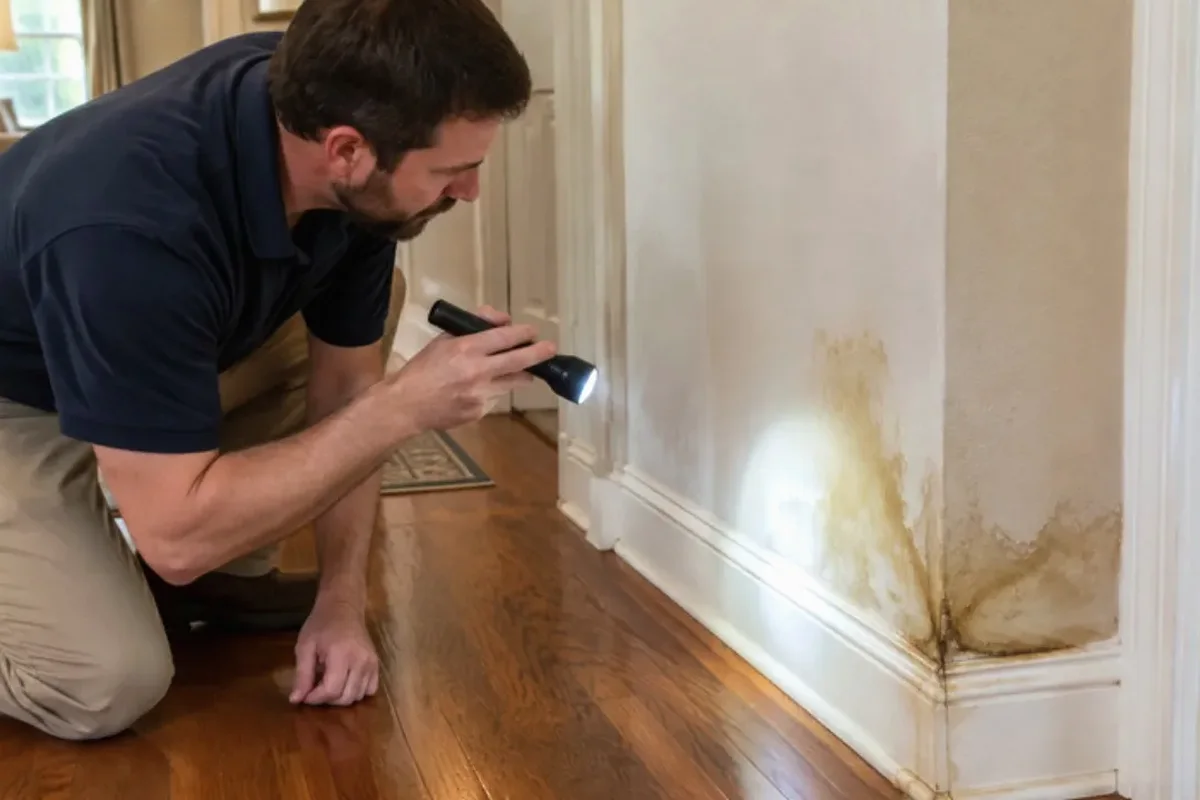
The assessor talks with you about the history, then walks the property checking walls, ceilings, floors, windows and mechanical spaces. Moisture meters and cameras reveal what the eye cannot, and photos document anything that needs a closer look. Ask them to pause if anything looks unusual so you can see it together.
Humidity targets
EPA recommends keeping indoor humidity below about 60 percent, ideally between 30 and 50. An inexpensive hygrometer shows where a basement or bedroom sits. Use a dehumidifier where readings stay high and run exhaust fans when showering or cooking. Keep a simple log of readings so you can spot trends over a season.
Mold Inspection questions in Merion Station
Is an inspection the same as mold testing?
What tools do assessors use?
Do I need an inspection if I can already see mold?
Can an inspection find mold inside walls?
More mold services in Merion Station
Mold Inspection nearby
Helpful guides
Sources
Last updated: