Small surface growth under about 10 square feet is something a homeowner can usually clean, per EPA guidance. After a flood, though, the affected area is often much larger and includes materials inside the walls. Call the number on this page to be connected with a local mold company in Glassboro.
Visible mold or just a smell?
A smell with no visible growth often means mold is behind a wall, under flooring or in insulation. EPA notes that sampling usually is not needed when mold is visible, so the better question is how far the moisture spread and what stayed wet. Meters settle what the eye cannot.
Why finished basements suffer most
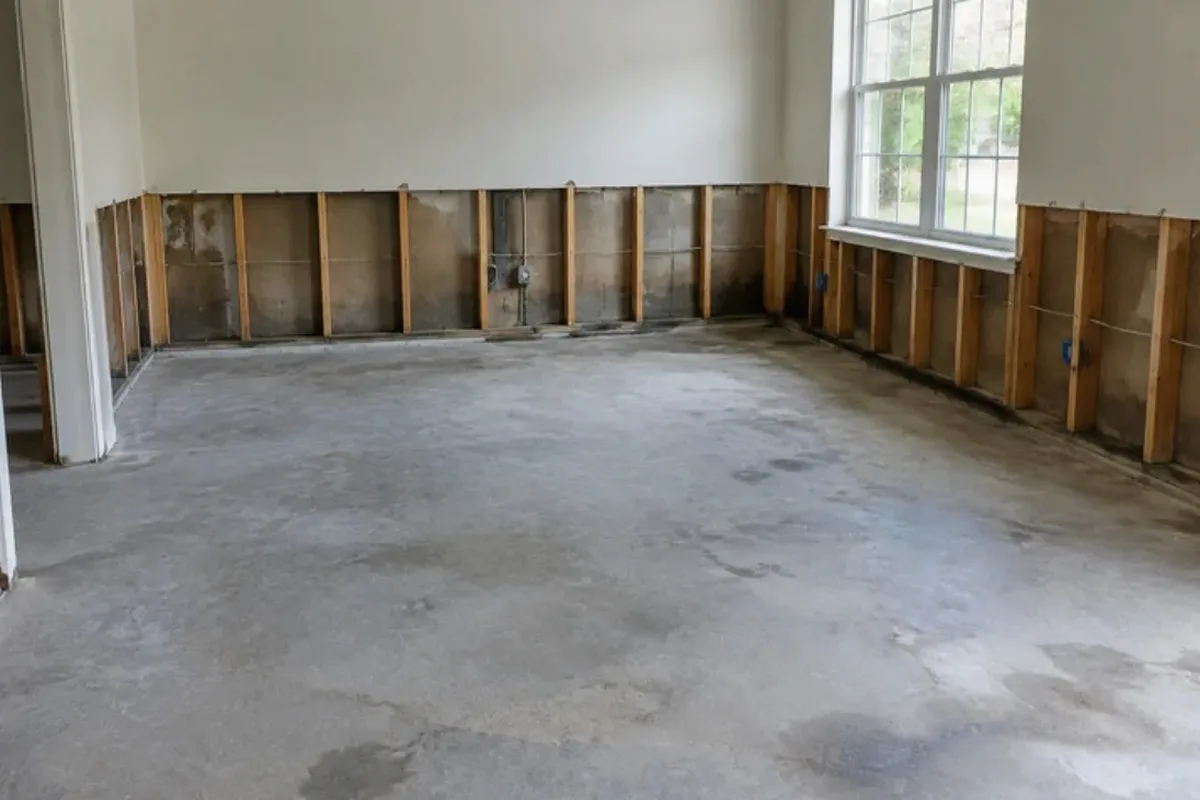
Carpet, paneling, drywall and stored items soak up water and hold it against masonry. In Glassboro, a finished lower level can look fine on top while framing, insulation and the back of the drywall stay wet for weeks. Wet finishes hide the problem for weeks.
Factors that change the price
- Type and depth of water
- Hours or days it stood
- Finished versus unfinished space
- Amount of drywall, carpet and insulation removed
- Equipment days and disposal
A written scope lists which of these apply to your house and how each one is priced. Salvage choices are made with meters, not guesses.
Local details for Glassboro
Contractors doing residential home improvement work in New Jersey must register each year with the Division of Consumer Affairs. Registration isn't a mold credential, but it's the state check that applies here.
Some owners hire one independent company for the inspection and clearance check and a different company for the cleanup, so the business judging the result isn't the one that did the work.
Rebuild work after the mold comes out, such as new drywall or framing, may need a permit; the Glassboro Borough construction office is where to ask for Glassboro addresses.
If river, creek or storm water got inside, FEMA's flood map service and your insurer can tell you how the address is zoned.
Nearby, the same kind of help is available in Pitman, Sewell and Clayton.
Equipment you may see
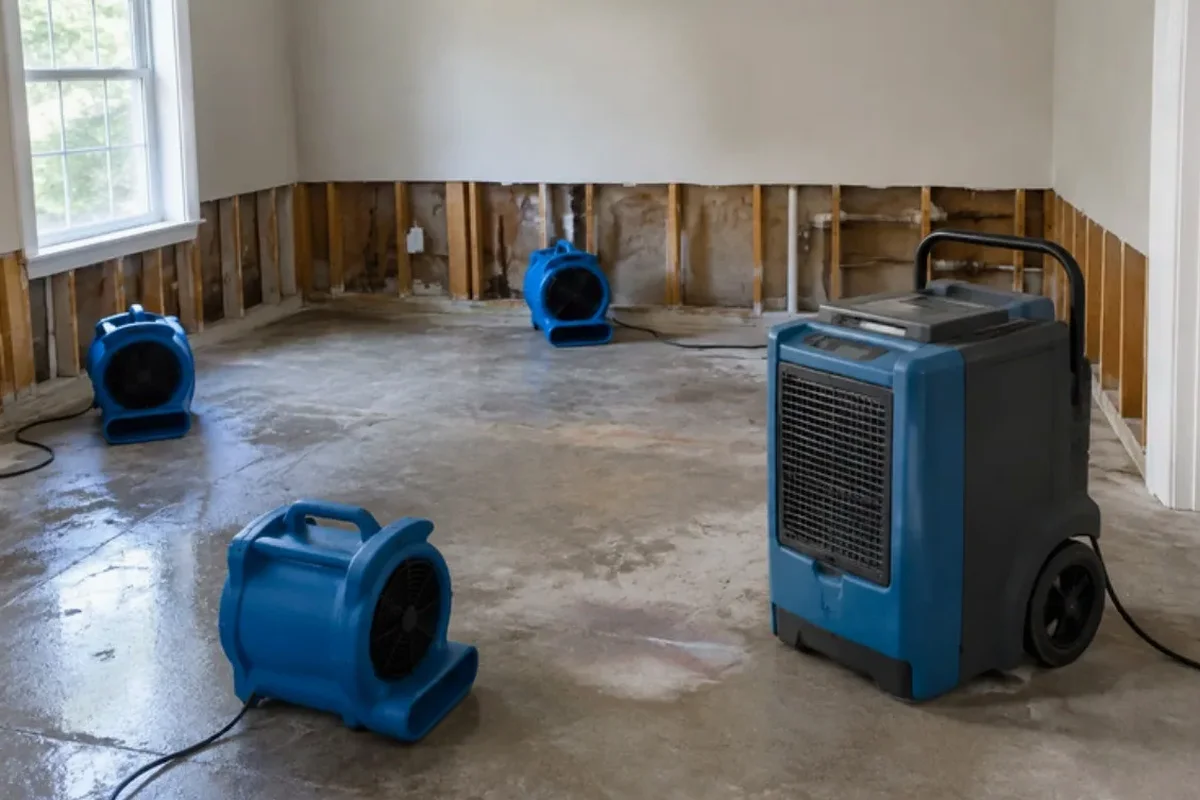
Expect pumps, wet vacuums, large air movers and dehumidifiers, and sometimes air scrubbers with filtered exhaust. Equipment runs for several days, and moisture readings are taken again to prove the structure is drying before any rebuilding starts. Ask what they will photograph.
Keep humidity down
EPA suggests indoor humidity below about 60 percent, ideally 30 to 50. A basic hygrometer tells you where the basement stands. After a flood, running a dehumidifier for a week or more confirms that the space is actually drying. Check the reading again after a few days.
Storm & Flood Mold Removal questions in Glassboro
Can mold grow after a flood in Glassboro?
Does homeowners insurance cover flood mold?
How soon should I call after the water is gone?
What is the difference between flood damage and a leak?
More mold services in Glassboro
Storm & Flood Mold Removal nearby
Helpful guides
Sources
Last updated: