Homeowner policies often treat flood water and sewer backup differently, and many exclude one or both unless you added coverage. Ask your insurer early and photograph everything before cleanup. Call the number on this page to be connected with a local mold company in Columbus.
Quick yes-or-no check
- Did water stand in the house more than a day?
- Was it creek, river or sewer water?
- Is carpet or pad still damp?
- Does a basement smell sour?
Two or more yes answers in Columbus mean it is time to call. Write them down so you can compare.
Basement seepage
Hydrostatic pressure from soaked ground pushes water through cracks, floor-wall joints and mortar. Fieldstone, brick and block foundations all admit it. Seepage may start as a damp line and, over days of rain, grow into inches of standing water. Cracks often start along the floor edge.
Farmhouses and older country homes often have fieldstone cellars where water enters through walls. After a storm, damp earthy odors are a sign that moisture is still present.
Why quotes can differ
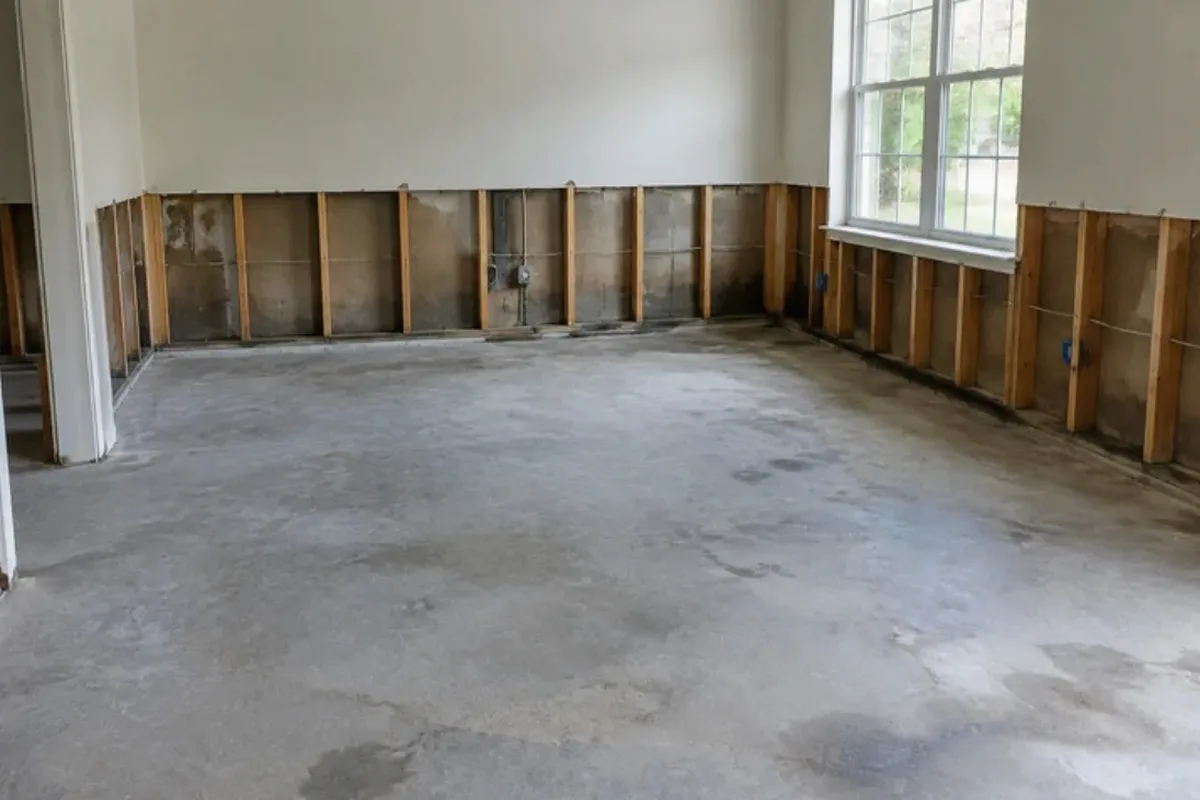
One company may plan more tear-out and another more drying time. Containment, negative air and disposal fees may be counted differently. Ask each to walk you through the scope room by room, and compare lines rather than totals. Depth is only part of the picture.
Local details for Columbus
No New Jersey mold license exists to look up, per the state Department of Health. The Division of Consumer Affairs registration check and a written scope are the practical safeguards.
Keep the inspection report, the scope of work and any clearance results together; buyers, landlords and insurers often ask for them later.
Remediation itself is cleanup, but putting the room back together can be permitted work; ask the contractor whether the Mansfield Township construction office needs to be involved.
If river, creek or storm water got inside, FEMA's flood map service and your insurer can tell you how the address is zoned.
Nearby, the same kind of help is available in Mount Holly, Jobstown and Juliustown.
Your part in the process
Be ready to move belongings, shut off the HVAC system for the work area and keep children and pets away. In rowhouses and twins, mention the work to neighbors, since noise and equipment may carry through the shared wall. Ask who decides when the space is clear.
Keep humidity down
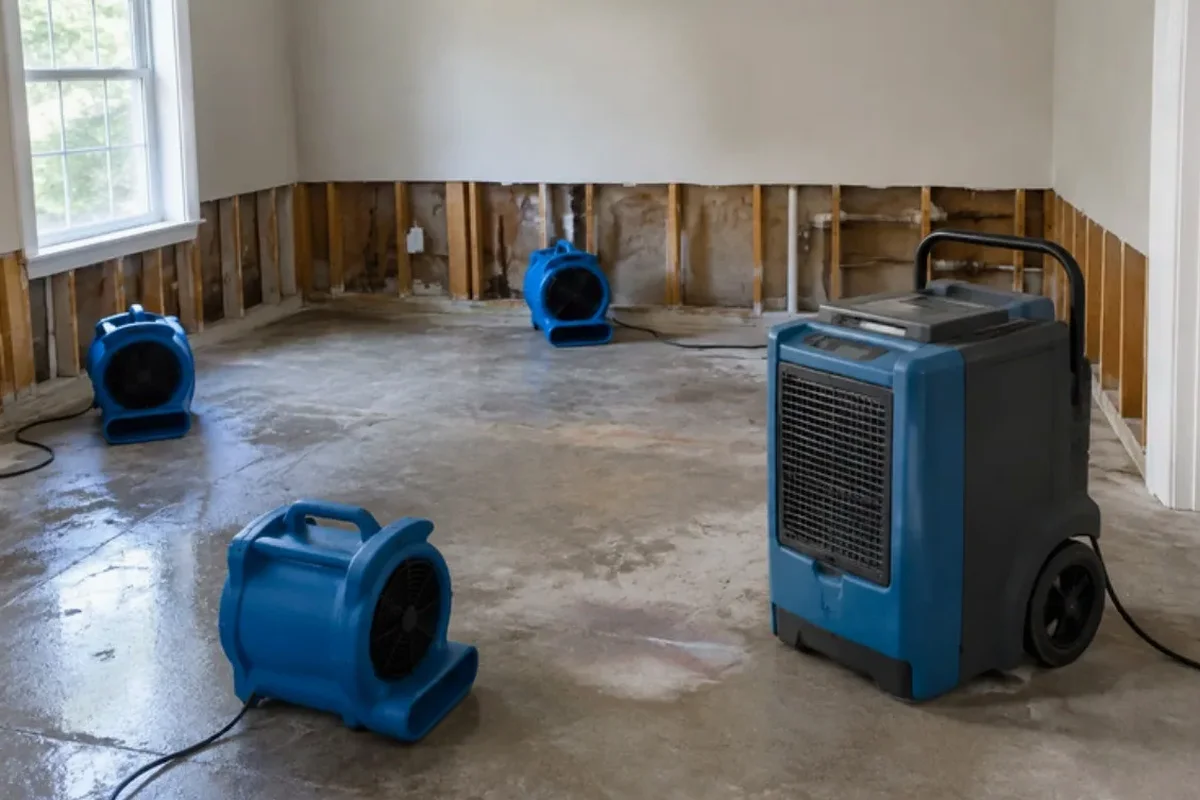
EPA suggests indoor humidity below about 60 percent, ideally 30 to 50. A basic hygrometer tells you where the basement stands. After a flood, running a dehumidifier for a week or more confirms that the space is actually drying. Check the reading again after a few days.
Storm & Flood Mold Removal questions in Columbus
Can mold grow after a flood in Columbus?
My sump pump failed. What now?
Should I get the air tested after a flood?
How much does flood mold cleanup cost?
More mold services in Columbus
Storm & Flood Mold Removal nearby
Helpful guides
Sources
Last updated: