After a flood, mold can begin on wet drywall, carpet, insulation and wood within a day or two. EPA advises drying wet materials within 24 to 48 hours, and porous items that stay moldy generally have to be removed. Call the number on this page to be connected with a local mold company in Aston.
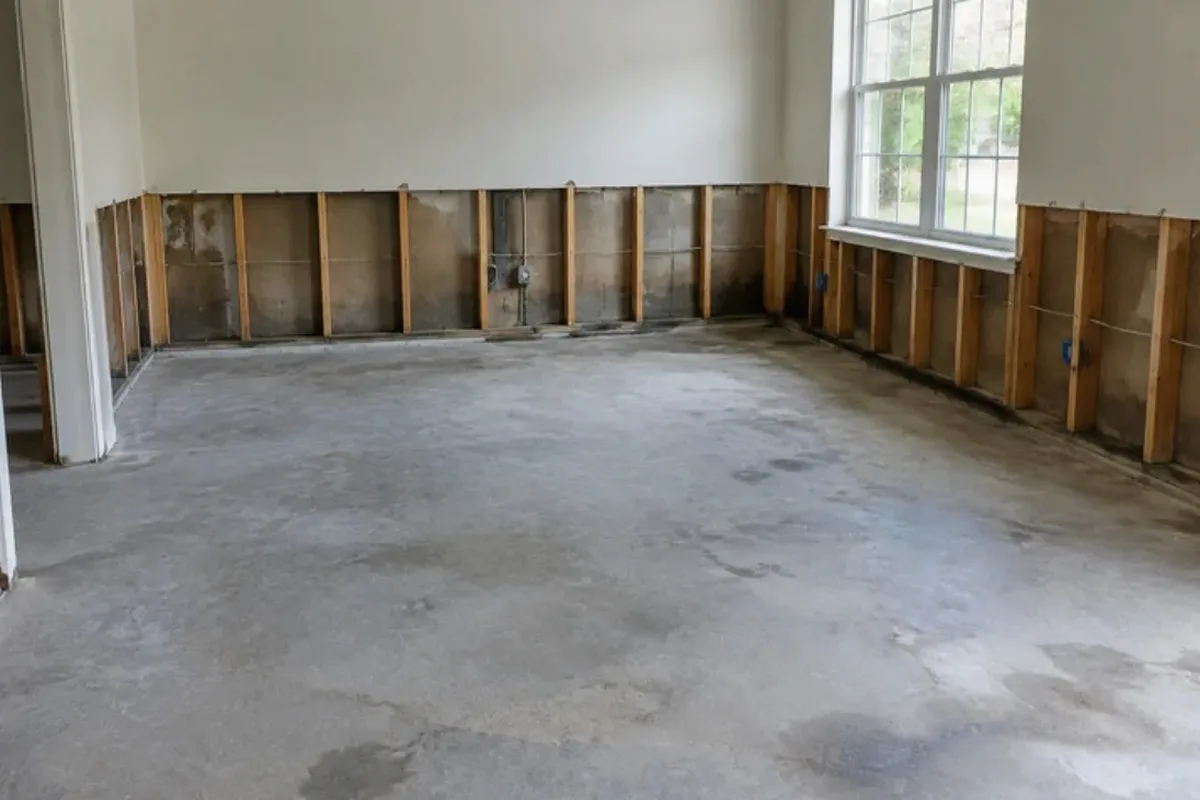
If you came back to a flooded house
Check that the power is safe before you go into water, then document the damage. Once the water is out, open windows if weather allows and start drying. Call about mold if anything remains damp after a day or two. Safety comes before sorting through anything.
Remnants of tropical storms
Late-summer systems that move up the coast can bring steady rain for a day or more. Soil fills, creeks rise and basements that stay dry in a normal storm start to seep through floors and foundation walls. Steady rain matters as much as one big downpour.
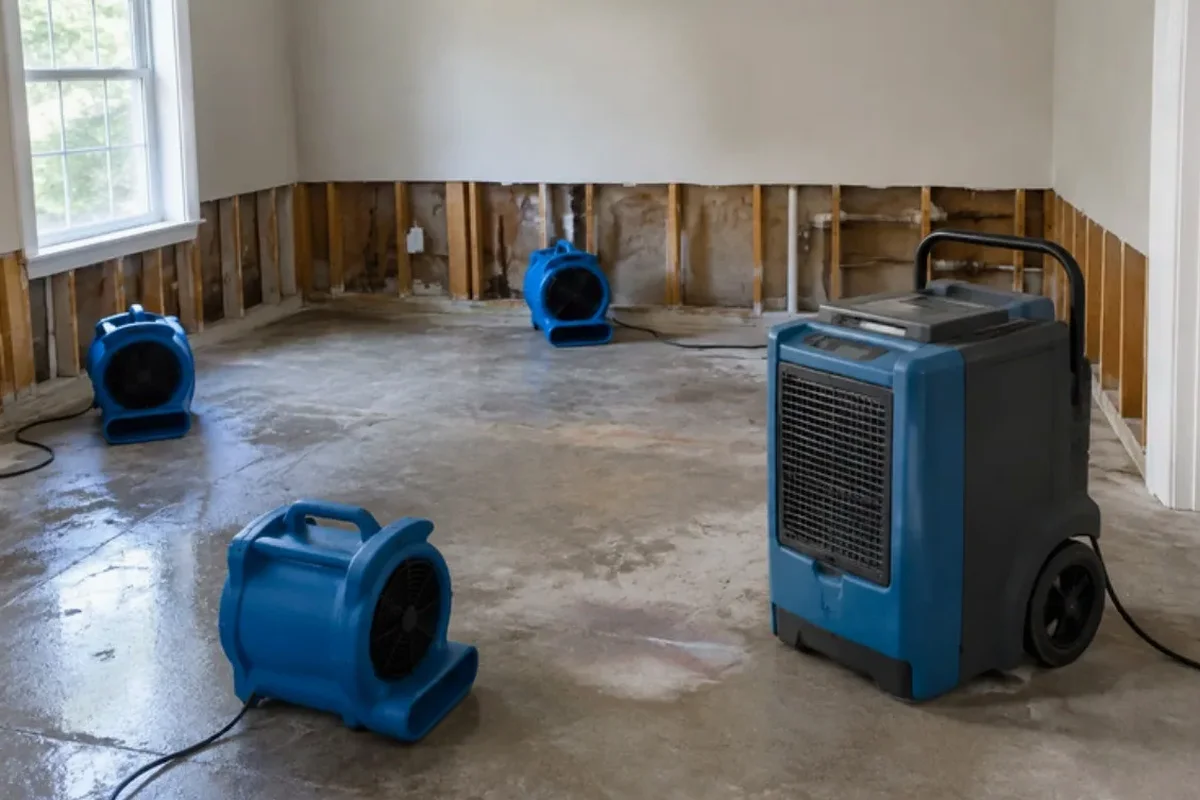
Salvage versus tear-out
Framing, concrete and many hard surfaces can be dried and cleaned. Carpet, pad, insulation and drywall that stayed wet are usually removed. The more that can be saved, the smaller the cost, which is why fast drying makes such a difference. Ask who handles that work.
Afterward
When the work is done, an independent assessor can check that the space is dry and clean. That person has no stake in the repair, so the result gives you a neutral view before the walls are closed and finished. Ask for a timeline in advance.
Keep humidity down
EPA suggests indoor humidity below about 60 percent, ideally 30 to 50. A basic hygrometer tells you where the basement stands. After a flood, running a dehumidifier for a week or more confirms that the space is actually drying. Check the reading again after a few days.
Local details for Aston
Pennsylvania doesn't license mold remediation as its own trade. The practical check is the Attorney General's contractor registration search, plus a written contract that spells out the containment, removal and clearance steps.
Some owners hire one independent company for the inspection and clearance check and a different company for the cleanup, so the business judging the result isn't the one that did the work.
Rebuild work after the mold comes out, such as new drywall or framing, may need a permit; the Aston Township building office is where to ask for Aston addresses.
If river, creek or storm water got inside, FEMA's flood map service and your insurer can tell you how the address is zoned.
Nearby, the same kind of help is available in Marcus Hook, Brookhaven and Chester Heights.
Storm & Flood Mold Removal questions in Aston
Who removes mold after a flood?
Can I clean flood mold myself?
Is bleach good for flood mold?
Should I get the air tested after a flood?
More mold services in Aston
Storm & Flood Mold Removal nearby
Helpful guides
Sources
Last updated: